Church Desecration is not a phrase I ever expected to write in the modern United States, yet here we are.
This past Sunday, a group of radical activists entered a Christian church during a worship service and intentionally disrupted it. They shouted political slogans, accused church leadership of wrongdoing, and hijacked a sacred gathering meant for prayer, preaching, and reverence before God. This was not outside the building. This was not on a sidewalk. This was inside the sanctuary during worship.
What makes this moment even more disturbing is that the disruption was livestreamed and publicly defended by Don Lemon, who was present at the scene. Rather than condemning the invasion of worship, he framed it as a legitimate act of protest and free speech, treating the desecration of a church service as something Christians should simply tolerate.
I am not just disappointed by this. I am angry. And I believe that anger is righteous.
Not because a political boundary was crossed, but because something far more serious happened. Something sacred was treated as expendable.
Featured Snippet Takeaway
Church desecration occurs when worship is invaded, disrupted, or treated as expendable for political aims. Scripture makes clear that honoring God’s house matters, and no accusation or ideology justifies violating worship.
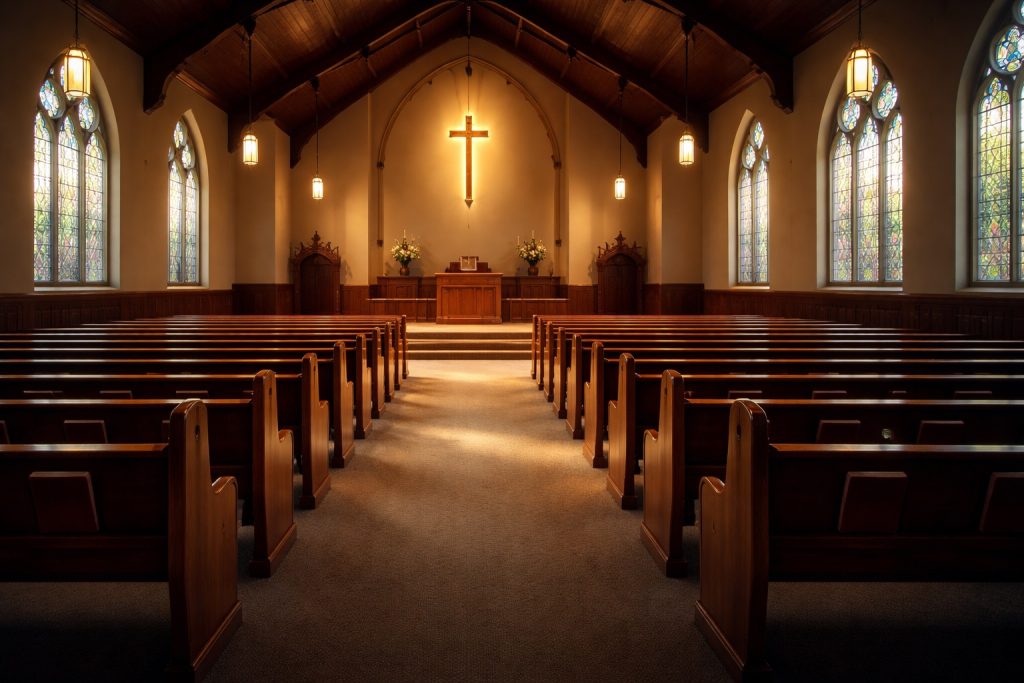
What the Protesters Claimed and Why It Matters
The activists who stormed the church claimed they were targeting the congregation because they believed one of the pastors was connected to immigration law enforcement. Specifically, they accused him of serving in a leadership role associated with ICE. That accusation, whether accurate or not, is what they used to justify their actions, as detailed in reporting on how an anti-ICE mob stormed a Minnesota church over a pastor’s alleged ties to immigration enforcement.
This context matters, not because it excuses anything, but because it exposes the moral logic at work.
According to their reasoning, a pastor’s involvement with law enforcement makes him deserving of public confrontation, humiliation, and disruption, even during worship. In their worldview, that connection alone is enough to invalidate the sanctity of a church service.
That belief reveals something deeply broken.
Even If the Accusation Were True, It Changes Nothing
Let me say this plainly.
Even if every accusation against the pastor were true, nothing about that would justify invading the worship of God.
There is nothing unbiblical about a Christian serving in law enforcement or working with governing authorities. In fact, Scripture explicitly affirms the legitimacy of such roles. Romans teaches that governing authorities exist to restrain evil and promote order, and that they function, imperfectly though they may, as servants of God for the good of society.
The Bible does not portray law enforcement as inherently immoral. It portrays lawlessness as destructive.
Throughout Scripture, faithful believers served in positions of civil authority. Joseph, Daniel, Nehemiah, and Esther all operated within government systems far more corrupt than anything we face today. None were condemned for it. They were honored for acting righteously within them.
So the outrage here is not rooted in biblical morality. It is rooted in ideological hostility toward authority itself, the same kind of moral inversion I have written about before in When Ideology Shapes Government Decisions.
When Obedience to God Becomes a Target
What we are seeing is not compassion. It is rebellion masquerading as virtue.
In this moral framework, enforcing laws is cruelty, order is oppression, and authority is evil unless it aligns with the ideology of the moment. Anyone who resists that framework becomes a legitimate target, even pastors, even churches, even worship.
That inversion of morality is not accidental. Scripture warns that there will be times when people call evil good and good evil, when restraint is despised and reverence is mocked.
This is one of those times.
A Church Is Not a Protest Venue
A church sanctuary is not a political stage. It is not a public square. It is a consecrated space set apart for the worship of God.
Jesus Himself showed righteous anger when worship was profaned. He did not excuse disruption in the name of a cause. He did not applaud activism. He drove out those who turned holy space into something common.
His words were clear. My house shall be called a house of prayer.
That was not symbolic outrage. It was a defense of holiness.
When activists invade worship, they are not exercising courage. They are displaying contempt.
Don Lemon and the Moral Failure to Defend Worship
What makes this incident especially troubling is that Don Lemon did not merely observe what happened. He livestreamed it. He defended it. He framed the disruption of worship as righteous protest protected by free speech.
That framing collapses under even minimal biblical scrutiny.
Scripture does not elevate one person’s speech by trampling another’s worship. It does not celebrate disorder. It does not treat reverence as optional. It does not excuse the violation of sacred space in the name of activism.
To stand inside a sanctuary during worship and justify its disruption is to publicly declare that worship is expendable.
That is not journalism. It is advocacy against reverence itself.
When Politics Becomes a Substitute Religion
Here is the deeper issue that cannot be ignored.
For the radical left, politics has become a replacement religion. It provides identity, meaning, moral certainty, and a sense of righteousness. And like all false religions, it demands total devotion.
When politics becomes religion, worship becomes competition.
That is why nothing is sacred anymore. Not churches. Not worship. Not conscience. Not God Himself.
Everything must bow.
Why Christians Must Speak Clearly
Silence in moments like this is not humility. It is surrender.
Christians are called to endure persecution, but we are not called to pretend desecration is virtue. We are not called to bless disorder. We are not called to accept contempt for God as moral progress.
Righteous anger has a place in Scripture. Jesus demonstrated it. The prophets embodied it. God Himself expresses it when His name is profaned, something I have addressed before when writing about selective outrage over police killings and the moral inconsistency behind it.
The issue is not whether anger exists. The issue is whether it is anchored in truth.
Mine is.
A Pastoral Word to Believers
To fellow Christians, do not let this moment harden your heart. Speak the truth without hatred. Stand firm without fear. Honor God without apology.
We defend the sanctity of worship not because it protects our comfort, but because it honors God.
That distinction matters.
A Final Word to Those Who Cheered This
If you believe justice matters, ask why you applaud trampling worship.
If you believe in dignity, ask why none was shown to believers.
If you believe there is no God, ask why His worship provokes such hostility.
This was not protest. It was desecration.
Church Desecration should alarm every believer, regardless of denomination or politics, because once worship is fair game, nothing sacred remains.
Arch Kennedy
Bold, Unfiltered, and Unafraid
Watch my full commentary below:
 Christian Revival Doesn’t Look Like the World Expects
Leave a Reply